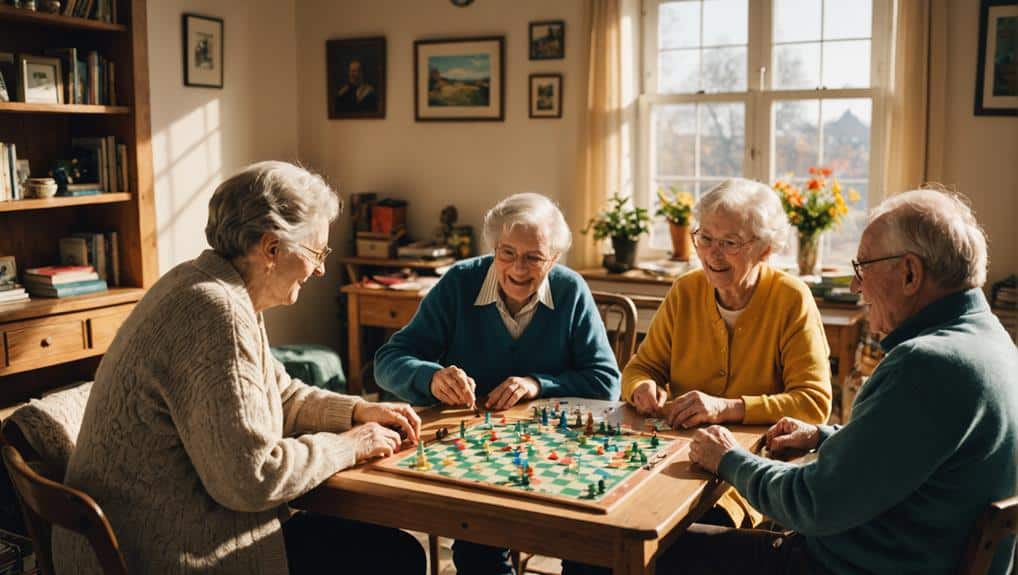
Engaging games and activities play a crucial role in the lives of elderly people, boosting cognitive health and social interaction. Puzzles like crosswords and Sudoku sharpen minds, while card games such as Bridge facilitate bonding. Creative arts, such as knitting or painting, not only encourage self-expression but also improve fine motor skills. Outdoor activities, including walking clubs and nature hikes, enhance physical fitness and provide relaxation. These experiences reduce feelings of isolation and contribute to overall well-being. When you explore various options, you'll find even more ways to enrich the lives of seniors with enjoyable games and activities.
Benefits of Engaging Games
Additionally, game variety plays an essential role in keeping your mind sharp. From word challenges to puzzles, different types of games target various cognitive skills. This variety not only improves your problem-solving abilities but also bolsters your critical thinking skills. Engaging in games can also enhance social interaction, which is important for reducing feelings of isolation among older adults, as highlighted in the challenges of aging. The more you engage your mind, the more you can enhance your mental agility.
In addition to cognitive benefits, participating in social games fosters connections with others. These interactions help reduce feelings of loneliness, promoting overall mental health and well-being. Whether it's a friendly competition or a cooperative puzzle-solving session, these games can create lasting bonds with friends and family, making you feel more connected and valued.
Furthermore, playing games can boost your mood and provide a sense of accomplishment. Each completed game or solved puzzle elevates your emotional health and contributes to a more positive outlook on life. Finally, engaging in fun activities also improves fine motor skills and hand-eye coordination, essential for maintaining independence in daily activities. So, embrace the joy of games and enjoy the many benefits they bring to your life!
Types of Puzzle Games
Puzzle games come in many forms, each offering unique cognitive benefits that can help you stay sharp as you age. From classic crosswords that boost your vocabulary to Sudoku puzzles that challenge your logical thinking, these activities keep your mind engaged and active. You'll also find specialized options designed for individuals with dementia, ensuring that everyone can enjoy the mental stimulation that puzzles provide.
Cognitive Benefits of Puzzles
Engaging in a variety of puzzle games can greatly enhance cognitive skills in older adults. Daily activities like crosswords and Sudoku can boost brain function, promoting memory enhancement and cognitive stimulation. These games challenge your mind, encouraging critical thinking and problem-solving. Additionally, incorporating these activities can be part of a tailored care plan, allowing for personalized support that adapts to individual preferences and needs.
Jigsaw puzzles are particularly beneficial as they improve visual-spatial skills and memory. When you work on these puzzles, you're not just assembling pieces; you're also stimulating your brain in a fun and enjoyable way. For those dealing with dementia, specialized puzzles can maintain cognitive engagement, helping with memory recall and providing a sense of accomplishment.
Moreover, regular participation in puzzle activities can have additional health benefits. They can reduce blood pressure and promote relaxation, contributing positively to your mental health and overall well-being. Word games like Scrabble also enhance vocabulary, making them an excellent choice for keeping your language skills sharp.
Incorporating a variety of puzzles into your routine isn't just entertaining; it's a proactive step towards maintaining cognitive health. So, grab a puzzle and start engaging your mind today!
Varieties of Puzzle Formats
Word searches offer a fun way to boost word recognition and can be easily adjusted in difficulty to suit your needs. For those facing unique challenges, like individuals with dementia, specialized puzzles focus on familiar themes and simpler designs, fostering engagement without overwhelming.
Engaging regularly with these puzzles can reduce the risk of cognitive decline and dementia, highlighting their importance as a mental exercise. Whether you're tackling a crossword or piecing together a jigsaw, each format brings its own puzzle challenges that stimulate your mind and keep you sharp. So, find the puzzles that excite you and immerse yourself!
Board and Card Games
Card games, such as Bridge, Spades, and Hearts, also provide mental stimulation and can be enjoyed at a table or through digital platforms, accommodating various skill levels. Many of these games are designed to be played while sitting down, making them accessible for seniors with limited mobility. Regular participation in board and card games is associated with slowing cognitive decline and reducing feelings of loneliness.
Below is a table summarizing some popular board and card games, along with their benefits:
| Game Type | Examples | Benefits |
|---|---|---|
| Board Games | Qwirkle, Dixit, Ticket to Ride | Enhances cognitive skills, multi-generational play |
| Card Games | Bridge, Spades, Hearts | Memory exercises, social interaction |
| Accessibility | Many games are seated-friendly | Suitable for limited mobility |
Creative Arts and Crafts
Creative arts and crafts offer a wonderful way for you to express yourself while enjoying therapeutic benefits for your emotional well-being. When you join group activities like knitting or flower arranging, you not only enhance your skills but also build meaningful connections with others. These creative pursuits can uplift your mood and provide a sense of accomplishment, making them perfect for engaging both mind and spirit.
Benefits of Creative Expression
Furthermore, these creative endeavors encourage mindfulness and reduce stress, contributing to overall mental well-being. Engaging in activities that promote values in social care helps foster a sense of community and belonging among participants. When you immerse yourself in creating something beautiful, you often find a sense of calm and focus that can uplift your mood. The satisfaction from completing a project boosts self-esteem and provides a sense of accomplishment, encouraging you to continue exploring new hobbies.
Additionally, activities such as flower arranging or pottery help maintain fine motor skills and hand-eye coordination, which are essential as you age. As you take part in these artistic pursuits, you not only nurture your creativity but also promote emotional health. So, gather your supplies and plunge into the world of creative expression, discovering the numerous benefits it can bring to your life.
Group Activities and Bonding
Art therapy plays an essential role in these sessions, as it encourages self-expression and boosts mental health. Engaging in creative activities not only fosters connection among participants but also aligns with the core care values emphasized by organizations like Anglian Care, which focus on overall well-being. You might find joy in creating personalized gifts or exploring new artistic skills alongside your peers. Activities such as flower arranging and card making can be easily adapted to suit everyone's abilities, ensuring inclusivity and enjoyment for all.
Moreover, crafting provides a sense of accomplishment and can even serve as a meditative practice, promoting overall well-being. Regular group art sessions stimulate brain activity, leading to improved cognitive function and better memory recall through creative expression.
Outdoor and Physical Activities
Joining walking clubs is another fantastic way to incorporate regular aerobic exercises into your routine. Aim for at least two hours a week, and you'll notice improvements in your cardiovascular health. On the other hand, activities like horseshoes and frisbee can address coordination challenges, helping you maintain balance and reduce the risk of falls.
Nature exploration is a wonderful way to combine physical activity with the calming effects of the outdoors. Going for nature hikes offers both physical and mental benefits, lifting your mood while allowing for moments of connection with others. You might even discover new trails or scenic spots along the way!
Group sports, such as tennis ball races or keep-away, not only enhance muscle strength but also foster a sense of camaraderie among participants. These mobility activities can be both fun and motivating, making it easier to stay active.
Social Interaction Through Games
Consider the benefits of group games like trivia or charades. These activities stimulate cognitive engagement and promote teamwork, making every game a shared experience that enhances community bonding. Here's a quick look at some engaging games:
| Game Type | Benefits | Suggested Group Size |
|---|---|---|
| Trivia | Enhances memory and teamwork | 4-6 participants |
| Charades | Boosts creativity and laughter | 4-8 participants |
| Bingo | Improves focus and social skills | 6-10 participants |
| Card Games | Encourages strategy and bonding | 2-4 participants |
Regular participation in these social games can considerably improve mental health by providing joy and laughter, which are essential for emotional well-being. Game nights in care homes not only entertain but also encourage social interaction, enhancing the overall quality of life for seniors. So, gather your friends or fellow residents, and immerse yourself in the fun of games. You'll find that these shared moments can create lasting bonds and enrich your community experience.


