
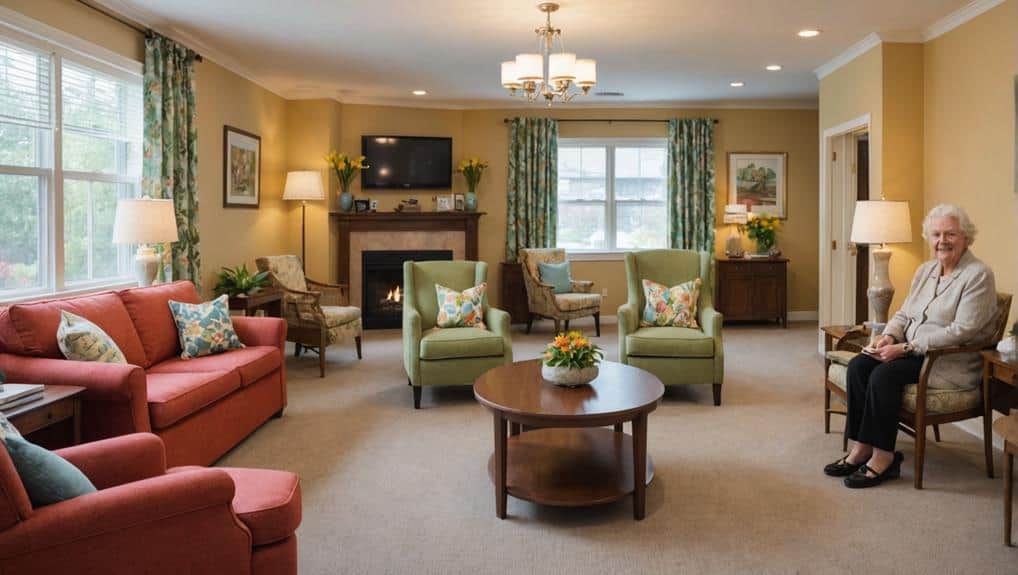
To open a care home, you need to follow several key steps. First, verify compliance with regulatory requirements by appointing a registered manager and understanding CQC standards. Next, focus on staff qualifications, validating team members have relevant training like NVQs in Health and Social Care. Create a detailed business plan, assess funding options, and analyze the local market for demand and competition. Establish robust operational procedures, including individual care plans and emergency protocols. Finally, consider the type of care home you want to open, as different models serve various community needs. There's much more to explore on this topic.
Regulatory Requirements
If you're setting up the care home as an organization or partnership, you'll need a registered manager. This individual must meet CQC standards, which include undergoing thorough background checks during the registration process. It's essential to understand that CQC compliance doesn't stop once you've registered. Regular inspections are part of the ongoing monitoring process, guaranteeing that care homes consistently uphold the quality of care required by the CQC inspections are vital. You must continuously meet compliance requirements, which involve regular inspections to confirm you're adhering to established care standards. If you fail to comply, you could face penalties or even lose your registration.
Operating a care home without proper registration is a serious offense under CQC regulations. The legal consequences can be severe, including hefty fines or imprisonment for non-compliance. By steering through these regulatory requirements carefully, you'll not only avoid potential pitfalls but also lay a solid foundation for delivering high-quality care. Remember, maintaining CQC compliance is a commitment to the safety and well-being of those you serve.
Staff Qualifications and Training
For care staff, it's recommended they obtain NVQs in Health and Social Care at Levels 2 and 3. This not only meets regulatory requirements but also enhances their competency in providing quality care. Achieving an essential qualification like NVQ Level 3 is crucial for career advancement in the care sector. Remember, all care providers must register their services with the national regulator, which involves meeting specific qualifications for your team.
Furthermore, if you lack the necessary qualifications to manage the home, appointing a registered manager is mandatory. Regular staff evaluations and ongoing training programs are essential for maintaining care quality. These programs help foster a supportive work environment, which can greatly enhance staff retention.
Business Planning and Funding
Before you launch your care home, you need to conduct thorough market research to understand local demand and competition. This insight will help you create a solid business plan that outlines your objectives and financial needs. Additionally, exploring various funding sources, such as bank loans and government grants, is essential to secure the investment needed for your startup. Understanding the average care home costs in your region will also aid in establishing competitive pricing and financial projections. Moreover, considering the different funding options available based on asset thresholds can greatly impact your financial planning.
Market Research Importance
To guarantee your care home stands out, consider these key aspects:
- Demographic Analysis: Investigate the age and needs of your local population, especially the 2.6 million people aged 50+ struggling to find suitable care. Understanding the healthcare inequalities in your area can help you better tailor your services.
- Local Competition: Analyze existing care homes in your area, noting their services and pricing. With only a 6% increase in facilities over the past ten years, there's room to grow.
- Service Differentiation: Tailor your offerings to meet the unique needs of your community, guaranteeing you're not just another option but the preferred choice.
Funding Sources Exploration
In addition to traditional loans, consider alternative funding options. Government grants are available to support new care home owners, and partnerships with local authorities or health organizations can also help secure financial backing. If you're looking for innovative ways to raise funds, explore crowdfunding options. This approach allows you to garner support from the community, showcasing your mission and attracting potential investors.
Venture capital can provide significant funding, especially if your care home has a unique selling proposition. Ultimately, investing in care-focused real estate investment trusts (REITs) can support the creation of new facilities and provide community impact, further enhancing your care home's sustainability and success.
Operational Procedures
Here are three key components to focus on:
- Care Plan Development: Develop individualized care plans for each resident. These plans should be regularly reviewed and updated to reflect any changes in health or needs.
- Emergency Protocols: Create clear protocols for emergencies, including evacuation plans and response strategies for medical incidents. Make certain all staff are trained on these protocols to guarantee swift action when needed.
- Record-Keeping and Medication Management: Implement robust systems for record-keeping and medication management. Utilize technology to streamline these processes, especially with the upcoming digitization deadline in England by March 2024. Aim for 80% adoption of digital platforms for managing care records.
Regularly reviewing and updating your operational procedures is vital. This practice allows you to adapt to changing regulations and continuously improve the quality of care provided to residents. By focusing on these areas, you'll not only comply with regulatory requirements but also enhance staff retention through regular evaluations and training sessions. Prioritizing operational procedures sets a strong foundation for your care home, guaranteeing it runs smoothly and efficiently.
Market Analysis and Challenges
One of the pressing issues in this market is the age of existing facilities, as about 71% of UK care homes are over 20 years old. This highlights a clear need for market modernization. Alongside this, many potential residents face barriers due to a lack of pricing transparency and high upfront fees, which can discourage families from seeking care.
Staffing solutions also present a challenge, with understaffing being a common concern. Ensuring that care homes are adequately staffed is vital for providing quality care and support to residents.
Fortunately, the UK government plans to invest an additional £12 billion in social care, which could help address some of these challenges. This investment may pave the way for improved facilities, better staffing levels, and enhanced service delivery.
As you consider opening a care home, recognizing these market dynamics is essential. By understanding the current landscape, you can develop strategies to overcome these challenges and meet the needs of your future residents effectively.
Types of Care Homes
When considering care homes, it's important to understand the different types available and what they offer. Residential care homes focus on daily activities and social engagement, while nursing homes provide around-the-clock medical support for those with complex needs. Specialist care homes cater to unique conditions, ensuring tailored services that enhance quality of life for residents.
Residential Care Home Overview
- General Care Homes: These facilities guarantee the safety and well-being of residents, helping with daily living tasks like bathing and eating.
- Specialist Care Homes: Catering to specific conditions like dementia, these homes have trained staff to address unique needs, which can enhance the quality of life for residents.
- Respite Care Homes: Offering temporary care, these homes allow primary caregivers a well-deserved break, ranging from a few days to several weeks.
In residential care homes, effective resident engagement strategies and community outreach initiatives play an essential role. These efforts help create a vibrant community, making certain residents feel connected and valued. By understanding these options, you can better support your loved ones in finding the right care home.
Nursing Home Services Explained
In a nursing home, you'll find a team of healthcare professionals, including registered nurses, licensed practical nurses, and nursing assistants. This variety guarantees that residents receive thorough care tailored to their specific needs. Patient-centered care is a key focus, meaning the care plan revolves around the individual's preferences and requirements.
Social activity support is another important aspect of nursing homes. These facilities promote residents' physical and mental well-being through recreational and social engagement opportunities, creating a vibrant community atmosphere. Family involvement plays an essential role, as staff often encourage loved ones to participate in care planning and activities.
As the UK population ages, the demand for nursing homes is increasing, highlighting the significance of understanding these services. With over 110,000 additional beds projected in the next decade, nursing homes will continue to be crucial in meeting growing care needs.
Specialist Care Home Types
Here are three common types of specialist care homes you might consider:
- Memory Care Facilities: Designed specifically for individuals with memory impairments, these homes offer comfortable and secure environments that promote safety and well-being.
- Dementia Care Homes: These facilities provide specialized amenities, like sensory gardens and therapeutic activities, to help residents engage and stimulate their cognitive abilities.
- Respite Care Services: For caregivers needing a break, these homes offer temporary stays, ensuring that loved ones receive the necessary care while families recharge.
As the demand for specialist care homes grows, it's crucial to understand these options. By providing tailored support, you can enhance the quality of life for those dealing with memory challenges and other specific conditions.


