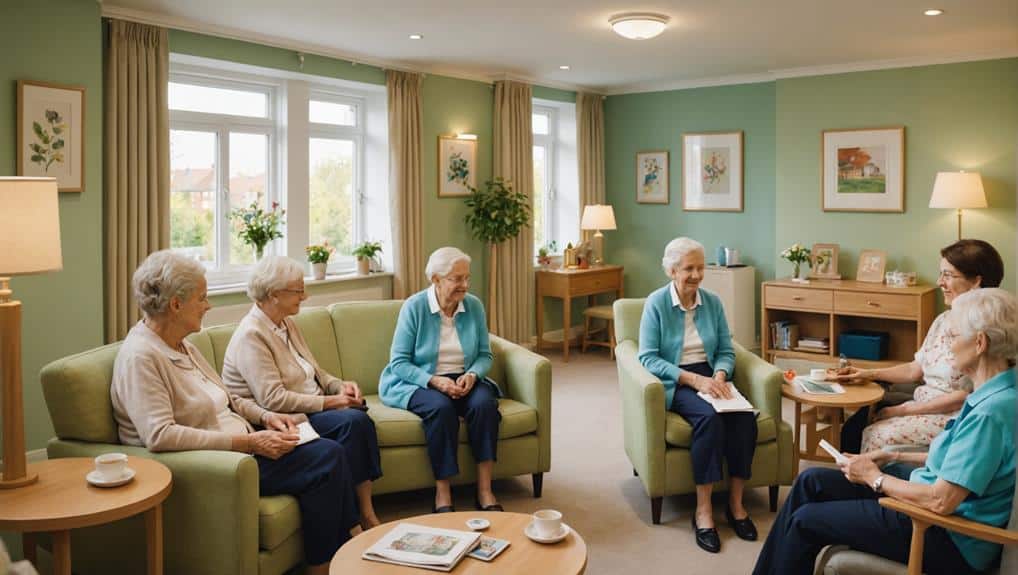
EMI units in care homes cater to elderly individuals with advanced dementia, offering specialized support and safety. These environments feature secure layouts to prevent wandering and guarantee residents' well-being. Staff members receive extensive training in dementia care, emphasizing communication and personalized support. Daily routines and tailored activities, like music therapy and reminiscence sessions, help reduce anxiety and promote social interaction. However, the cost for EMI care can be higher than standard homes, often requiring careful financial planning. Understanding these aspects can help you choose the right environment for loved ones, leading to better outcomes and satisfaction for everyone involved.
What Is EMI?
EMI, or Elderly Mentally Infirm, specifically refers to older adults who suffer from advanced irreversible dementia, including conditions like Alzheimer's and vascular dementia. Understanding EMI definitions is essential for dementia awareness, as it helps you recognize the specialized care needs of these individuals. Residents in EMI units typically require round-the-clock assistance due to significant symptoms such as memory loss, confusion, and difficulty with daily tasks. These units are designed to cater to the complex needs of individuals with severe cognitive decline, ensuring they receive the appropriate level of care and attention. In addition, EMI units are equipped with secure environments that prevent residents from wandering, which is a common concern. This focus on safety helps minimize confusion and promotes a sense of stability for the residents, allowing them to feel more at ease.
It's important to note that the cost of EMI care homes often surpasses that of standard care homes. Expenses can increase by up to £500 per week due to the specialized services and enhanced safety measures. This higher cost reflects the level of care and attention that residents with advanced dementia require, emphasizing the significance of finding the right facility that meets their specific needs. Overall, understanding EMI is significant for families seeking appropriate care options for their loved ones experiencing dementia.
Features of EMI Units
EMI units create a specialized care environment tailored for individuals with advanced dementia, ensuring their safety and comfort. You'll find that these units incorporate structured daily routines and engaging activities, designed to stimulate residents and reduce confusion. Enhanced security measures also play an essential role in protecting residents, allowing them to feel secure while receiving the dedicated support they need.
Specialized Care Environment
The staff in EMI units are specially trained in dementia care techniques, providing emotional support tailored to each resident's needs. With structured daily routines, confusion and anxiety are minimized, creating a familiar atmosphere that promotes comfort.
To illustrate the key features of these specialized environments, here's a concise overview:
| Feature | Description | Benefit |
|---|---|---|
| Specialized Design | Safe and secure environment | Prevents wandering |
| Trained Staff | Experts in dementia care | Personalized emotional support |
| Structured Routines | Daily schedules that minimize confusion | Promotes familiarity |
| Enhanced Staffing Ratios | One carer for every four to six residents | Guarantees individual attention |
Ultimately, these features work together to create a nurturing space where individuals with advanced dementia can thrive.
Tailored Activity Programs
Activity coordinators in EMI units play an essential role in planning structured activities that promote resident engagement and social interaction. They carefully assess individual needs and preferences through personalized care plans, ensuring that each activity is suited to the cognitive and emotional requirements of every resident. This approach aligns with the commitment to quality and personalization seen in comprehensive home care services, enhancing the overall well-being of residents.
Many facilities feature sensory gardens and reminiscence rooms, providing multi-sensory experiences that greatly enhance engagement, especially for residents with advanced dementia. Regularly scheduled activities foster familiar routines, which can reduce anxiety and confusion, making residents feel more at home.
Enhanced Security Measures
- Secure Entry and Exit Points: These prevent residents from wandering outside, which is vital for their safety. This aligns with the safeguarding principle of empowering vulnerable individuals by guaranteeing their freedom of movement is respected while maintaining their safety.
- Alarm Systems and Surveillance Cameras: These security technologies are installed to guarantee constant resident monitoring, helping staff keep a close eye on movements. The integration of such systems supports the safeguarding responsibility of healthcare staff to quickly identify and respond to any concerns.
- Trained Staff: Caregivers are trained to recognize wandering behaviors and implement strategies to redirect residents safely when needed. Ongoing education fosters a strong safeguarding culture, equipping staff with the tools necessary to protect those in their care.
- Restricted Access: Certain areas, like kitchens and medication storage, are off-limits to protect residents from potential hazards.
The layout of EMI units is also thoughtfully designed, featuring clear signage and familiar pathways that enhance safety. By combining these enhanced security measures, care homes create a nurturing environment where residents can thrive, knowing they are protected and supported at every turn.
Staff Training and Qualifications
When caring for residents in EMI units, specialized training is vital for staff to meet the unique needs of those with advanced dementia. Ashley Care offers an extensive training program that supports continuous professional development, keeping caregivers updated on best practices, ensuring they provide the highest quality support. Additionally, completing the Care Certificate Qualification is essential for new staff to be adequately prepared for their roles. Collaboration with nursing professionals enriches the care team, helping to create a more thorough and responsive environment for residents.
Importance of Specialized Training
- Dementia Awareness: It helps staff understand the complexities of dementia, enabling them to recognize symptoms and respond appropriately.
- Caregiver Communication: Training includes effective communication strategies, ensuring that caregivers can connect with residents emotionally and cognitively.
- Handling Challenging Behaviors: Staff learn techniques to manage difficult behaviors, promoting a calm and supportive environment.
- Person-Centered Care: Training emphasizes respect for residents' dignity, independence, and personal choices, enhancing their quality of life.
Continuous Professional Development
Many facilities require staff to hold certifications in dementia care, but they also encourage further education to enhance skills in person-centered support. This commitment to continuous learning not only boosts individual capabilities but also fosters a culture of excellence within the team. Regular assessments and training refreshers are mandated to maintain compliance with care standards, ensuring that staff are knowledgeable about the latest approaches.
Collaboration among multi-disciplinary teams, including trained carers and nursing professionals, is essential in creating tailored support plans that address each resident's individual needs. Together, these efforts reflect a dedication to high standards of care delivery, ultimately improving the quality of life for residents in EMI units. This continuous professional development is significant in adapting to the ever-changing landscape of dementia care.
Team Collaboration and Support
- Specialized Training: Staff receive focused training on dementia care and person-centered support, equipping them with essential skills.
- Continuous Development: Ongoing professional development keeps staff updated with the latest techniques and best practices.
- Multi-disciplinary Collaboration: Working alongside nutritionists and district nurses allows for tailored, thorough care that meets residents' unique needs.
- Optimal Staff Ratios: Maintaining a recommended ratio of 1 carer to 4 residents guarantees adequate support and attention to each individual.
Activities for Residents
Structured daily routines create a comforting environment that reduces anxiety and confusion. Residents can participate in various activities tailored to their interests and abilities. Here's a quick overview of some popular activities:
| Activity Type | Description | Benefits |
|---|---|---|
| Music Therapy | Listening to or playing music together | Enhances mood, encourages interaction |
| Arts and Crafts | Creating art using different materials | Boosts creativity, fosters fine motor skills |
| Reminiscence Therapy | Sharing memories and stories | Evokes nostalgia, strengthens social bonds |
| Themed Movie Nights | Watching classic films with snacks | Promotes relaxation, encourages socialization |
Activity coordinators play an important role in developing and implementing these engaging programs. They guarantee that activities cater to the individual needs of residents, promoting participation and enjoyment. Regular activities, such as old-time sing-alongs, help boost overall well-being while fostering social connections among residents.
Incorporating sensory gardens and reminiscence rooms encourages interaction with nature and evokes cherished memories. By participating in these thoughtfully designed activities, residents can experience joy, creativity, and connection, enhancing their quality of life within the EMI unit.
Costs and Funding Options
Here are four key factors to evaluate in your financial planning and funding strategies:
- Location: Care home prices vary greatly, with EMI care in London potentially reaching £2,000 a week, while in the North East, it may be as low as £1,200.
- Specialized Services: Costs for EMI care can increase by up to £500 weekly due to additional services tailored for advanced dementia care.
- Funding Eligibility: Your loved one's assets and savings determine eligibility for local authority support, so it's essential to assess their financial situation.
- NHS Continuing Healthcare: Residents with complex care needs may qualify for this funding, which covers full care costs in EMI units.
Navigating these costs and funding options can be overwhelming, but with careful planning, you can find the right financial support for your loved one's care. Understanding these elements makes the process smoother and helps guarantee your family member receives the specialized attention they deserve.
Choosing the Right Care Home
Next, assess the availability of tailored care plans. These plans should address individual dietary, mobility, and personal care needs, guaranteeing that every resident receives a high standard of care. Engaging activities, like music therapy and reminiscence programs, can also enhance residents' mental well-being and social interaction, making daily life more enjoyable.
Security features are another vital factor. EMI units should provide a safe environment with enhanced security measures to prevent wandering and guarantee residents' safety. This aspect is especially important for families who want peace of mind.


